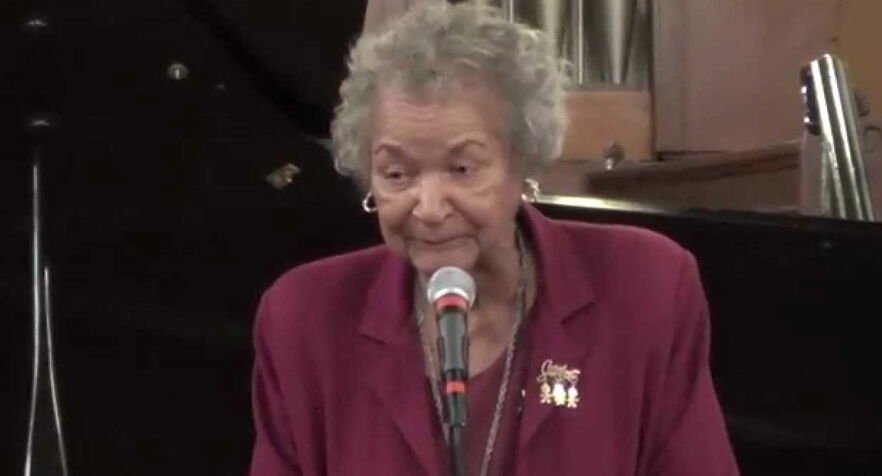
Updated on: August 11, 2025
Basic Information
| Field | Details |
|---|---|
| Full name (birth) | Ruchel Dwajra Zylska |
| Known as | Ruth Mcbride Jordan |
| Born | April 1, 1921 — Poland |
| Immigrated to U.S. | Age 2 (family name changed to Shilsky) |
| Died | January 9, 2010 — age 88 |
| Spouses | Andrew D. McBride (d. April 5, 1957) ; Hunter Jordan Sr. (d. 1972) |
| Children | 12 (8 with Andrew; 4 with Hunter) — all graduated college |
| Education | B.S. in Social Work from Temple University (earned at age 65) |
| Notable | Subject of The Color of Water (memoir by son James McBride); raised 12 college-educated children despite poverty |
The Beginning — A Name, a Flight, and a New Faith
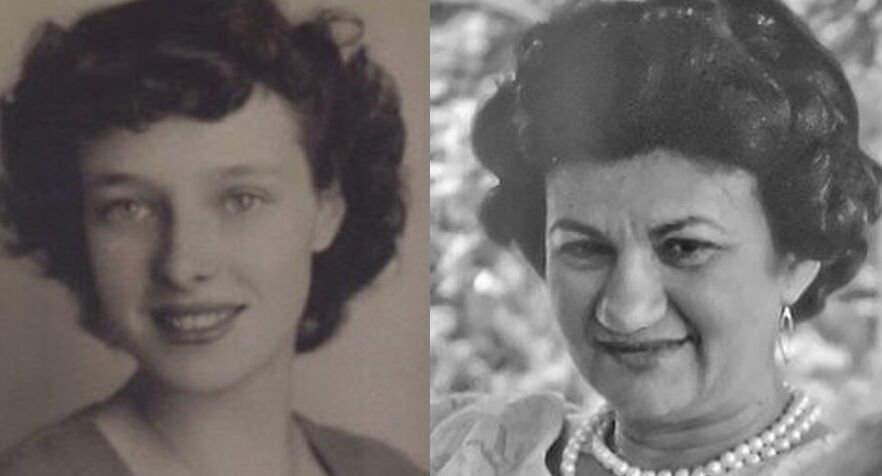
If I could soundtrack the opening to Ruth’s life it would be a minor-key violin—sharp, insistently human—because her story begins with migration and reinvention. Born Ruchel Dwajra Zylska on April 1, 1921, she crossed an ocean at two and arrived in a small Virginia town with a name that would be shortened and reshaped: Shilsky. Her childhood reads like a study in contrasts—Orthodox Jewish rituals in a Protestant town, the loneliness of being different, and the complicated gravity of a household that both taught faith and inflicted harm. At 17, she walked out of that picture and into New York City, which for many is a cliché of reinvention but for Ruth was literal: Harlem, music, Black churches, and the man who would change her life, Andrew D. McBride.
I always imagine that moment as cinematic — a girl stepping into a summer service in Harlem and finding, not an escape from identity, but an invitation to remake it. She converted to Christianity, took the name Ruth, married Andrew, and together they co-founded New Brown Memorial Baptist Church in Brooklyn. The move was seismic: family ties were severed, and Ruth embraced a life that surprised everyone who’d known her as Ruchel.
Love, Loss, and 12 Children — The Long, Complicated Household
The family ledger is almost impossible to read without pausing: 12 children, each one a miniature revolution of circumstance. Eight were born during her marriage to Andrew; four after she married Hunter Jordan. It’s the kind of brood that turns a two-bedroom into a nation, and Ruth ran that nation with a single-minded devotion to education and church.
To list the basics is to tell only half the story, but the dates and names anchor us:
| Spouse | Born–Died | Children with spouse |
|---|---|---|
| Andrew D. McBride | Aug 8, 1911 – Apr 5, 1957 | 8 (including James McBride) |
| Hunter Jordan Sr. | c. 1900 – 1972 | 4 |
Among the children, James McBride — born September 11, 1957 — would become the chronicler of the family through his memoir The Color of Water. But the household’s achievement isn’t just literary fame: all twelve children graduated college and went on to careers as doctors, teachers, professors — trajectories that read like rebukes to the poverty in which they were raised. That outcome was Ruth’s project; education and church were the twin scaffolds she used to lift a family out of want.
Work, Sacrifice, and a Degree at Sixty-Five
Ruth’s life after widowhood was austerely heroic. She worked in low-wage jobs — factory work, bank typing at night, church secretary gigs — without ever accepting public assistance, because she believed, fiercely and perhaps stubbornly, in self-reliance and dignity. She co-founded a church, volunteered with homeless teenage mothers, and later in life earned a social work degree from Temple University at age 65. Picture that: a woman who spent decades tending to a household, then returned to school in her mid-sixties to formalize the care she’d already given the world.
Her financial life was modest; there’s no grand estate, no ledger of wealth. Instead, there are receipts of survival: night shifts, borrowed books, bus rides to better schools. She refused welfare, worked, and invested what she could in school applications and tuition. In the arithmetic of her life the sums that matter are not dollars but degrees — twelve diplomas accomplished against the sums of loss and labor.
Faith and Identity — A Life Rewritten
Ruth’s conversion and public embrace of Christianity were not a simple erasure of her origins; rather, they were a radical rewriting of identity. She cut ties with her birth family and faced the social cost of marrying a Black minister in the mid-twentieth-century United States. The chapters in her son’s memoir lay out a woman who carried both the memory of a Jewish childhood and the full embrace of a Black church community — a liminal figure who moved between worlds, sometimes painfully but always with purpose.
There’s tenderness in that liminality: Ruth wrapped a Jewish past into a new faith not to disappear but to make room — room for children, room for love, room for survival. She raised ministers, doctors, and scholars who carried both the memory and the promise forward.
Later Years and the Last Christmas
Ruth’s final years were quieter but not empty. She lived in Wilmington, Delaware; Germantown, Pennsylvania; and Ewing, New Jersey — places that sound ordinary on a map but that, for her family, were stages on a life-long performance of endurance. On January 9, 2010, at 88, she died after a period of failing health — but not before a joyful family Christmas that, in its small way, was triumphant: a mother surrounded by the very children she had insisted would become something else.
If you read her story as a script it ends without a tidy moral, and that’s right: there’s no tidy finish to a life of transformation. There’s only the fact that twelve children escaped the lines they were born into and built lives on the insistence of a single woman who refused to let poverty be the final word.
Legacy — The Color of Water
I always come back to the image on the book jacket: a woman whose name changed twice, whose life threaded through cities and faiths, whose influence rippled into literature. James McBride’s memoir made Ruth a public figure in a way she never sought, and it turned a private struggle into a shared narrative about race, religion, and resilience. But the real legacy lives in small moments — the college acceptances, the son who told his mother of a grandchild’s acceptance before she died, the quiet dignity of a late-degree ceremony at Temple. Those are the credits that roll at the end of a life well-worn and fiercely loved.
FAQ
When and where was Ruth Mcbride Jordan born?
She was born April 1, 1921 in Poland and immigrated to the United States at age 2.
How many children did she have?
Ruth had 12 children — eight with Andrew D. McBride and four with Hunter Jordan Sr. — and every one of them graduated from college.
What major life changes did she undergo?
At 17 she left her birth family, converted from Judaism to Christianity after moving to New York, and later remarried after Andrew’s death.
What jobs did she hold?
She worked a series of low-paying but steady jobs — factory tester, night typist, church secretary — while prioritizing her children’s education.
Did she receive any formal education later in life?
Yes; she earned a bachelor’s degree in social work from Temple University at age 65.
When did she die?
Ruth Mcbride Jordan died on January 9, 2010, at the age of 88.
What is her best-known legacy?
Her life is memorialized and examined in her son James McBride’s memoir The Color of Water, which explores race, religion, family, and resilience.