Updated on: August 11, 2025
Hey, reader—let’s pull back the curtain on a story that’s like the hidden verse in a timeless ballad, one that whispers through the glitz of Mexican music history. Victoria Valadez Rojas, the unassuming matriarch whose life intertwined with the supernova that was her son Juan Gabriel, feels like that supporting character in a epic biopic who steals your heart without saying a word. Born in the dusty charm of rural Mexico, she navigated hardships that could rival any telenovela plot, raising questions about resilience, family bonds, and the shadows cast by fame. I’ve pieced together her tale like a mosaic from faded photographs, blending the facts with that insider scoop that makes you lean in closer. Think of it as your VIP access to a life lived off-stage, where every detail hums with quiet drama. Ready to explore?
Basic Information
| Attribute | Details |
|---|---|
| Full Name | Victoria Valadez Rojas |
| Birth Year | Around 1910–1912 |
| Birthplace | Parácuaro, Michoacán, Mexico |
| Parents | Father: Pablo Valadez (1889–1924); Mother: Brígida Rojas (born 1889) |
| Siblings | Brothers: Luis Valadez (born around 1920); David Valadez (1924–1924) |
| Possible Spouse | Leobardo Ortiz Jiménez (unconfirmed) |
| Child | Alberto Aguilera Valadez (known as Juan Gabriel) |
| Death Year | Around 1974 |
| Residence | Moved from Parácuaro to Ciudad Juárez |
| Occupation | Campesina (peasant woman) |
| Net Worth | No data available |
| Cultural Impact | Inspiration for Juan Gabriel’s song “Amor Eterno” |
Family and Personal Relationships
Imagine a family portrait painted in sepia tones, where the edges blur into the vast landscapes of early 20th-century Mexico— that’s Victoria’s world, a tapestry woven with loss, migration, and unbreakable ties. Born around 1910–1912 in Parácuaro, Michoacán, she was the daughter of Pablo Valadez, who lived from 1889 to 1924, and Brígida Rojas, born in 1889. Pablo, her father, passed away when Victoria was still young, leaving a void that echoed through generations, much like the absent fathers in those classic ranchera songs. Her mother, Brígida, raised the family amid the rural rhythms of Michoacán, instilling that gritty determination that would define Victoria’s path.
Siblings added layers to this narrative: brother Luis Valadez, born around 1920, shared in the sibling bonds of survival, while little David Valadez arrived in 1924 only to depart the same year, a heartbreaking footnote in family lore—like a brief cameo in a long-running saga. Whispers of a spouse surface too, with Leobardo Ortiz Jiménez popping up in unverified genealogical nods, but details are as elusive as a forgotten lyric, leaving us to wonder about romances lost to time.
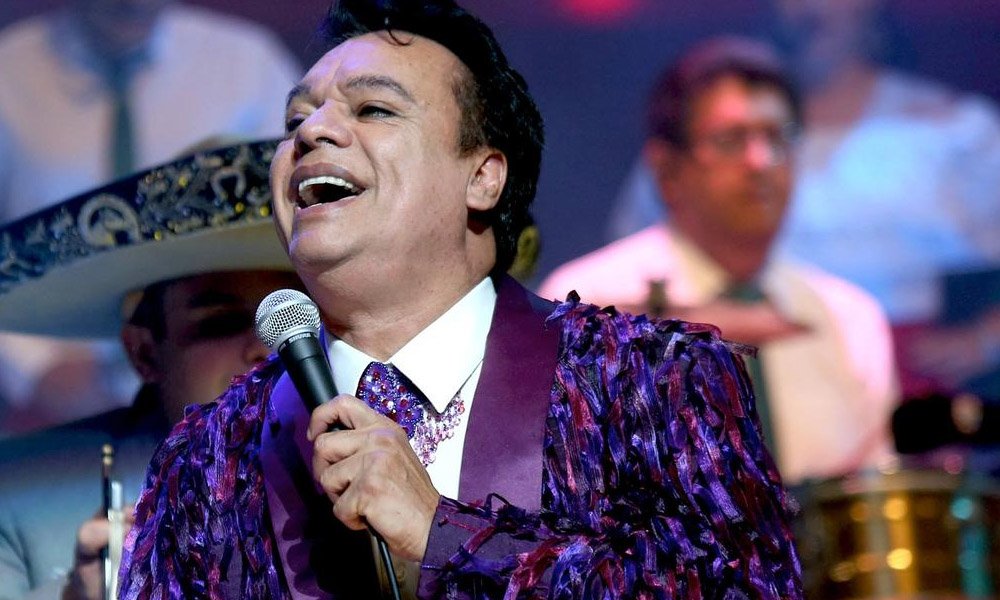
Then there’s the star of the show—her son, Alberto Aguilera Valadez, better known as Juan Gabriel, born into this humble setup and rising to become Mexico’s flamboyant icon of song. Victoria’s relationship with him? It’s the emotional core, reader—like the pivotal mom-son dynamic in “Coco” or “Selena,” where love mixes with tough choices. Facing poverty as a campesina, she relocated to Ciudad Juárez, placing young Alberto in an orphanage for his sake, a decision that fueled his later artistry and those soul-stirring ballads. No other children or grandchildren make the headlines; her legacy funnels through Juan Gabriel, with no extended family tales bubbling up beyond these roots. It’s a compact clan, but oh, the intensity—hardships forging bonds that inspired millions, turning personal pain into pop culture gold.
Career Details and Net Worth
Victoria’s “career” isn’t the stuff of red carpets or record deals; it’s more like the unsung backbone of a folk tale, grounded in the earth of Parácuaro. As a campesina—a peasant woman—she toiled in the fields and homes of rural Mexico, embodying that archetype of the hardworking matriarch who keeps the family afloat amid economic storms. Born into a time when women’s roles were etched in tradition, her days likely revolved around agricultural labor, household duties, and the relentless push for survival, especially after her father’s death in 1924. By the time she moved to Ciudad Juárez, it was all about scraping by—think of her as the real-life counterpart to those resilient figures in Diego Rivera’s murals, laboring without fanfare.
No flashy titles here, no entrepreneurial ventures or side hustles documented; her work was the quiet engine driving her son’s eventual escape from poverty. Net worth? That’s a blank slate, reader—no estimates, no fortunes tucked away. In an era before celebrity endorsements or social media influencers, her financial story mirrors countless women of her generation: modest, undocumented, tied to daily wages that barely covered basics. Juan Gabriel’s later wealth—built from hits that sold out stadiums—casts a retrospective glow, but Victoria passed in 1974, long before his peak fame in the 1980s and 1990s. If anything, her “wealth” was in the intangible: the inspiration she provided, turning her struggles into the raw material for songs that amassed millions for her son. It’s a reminder, isn’t it? That behind every legend, there’s often a figure like Victoria, whose value defies dollar signs.
News, Gossips, Stories, and Social Media Mentions
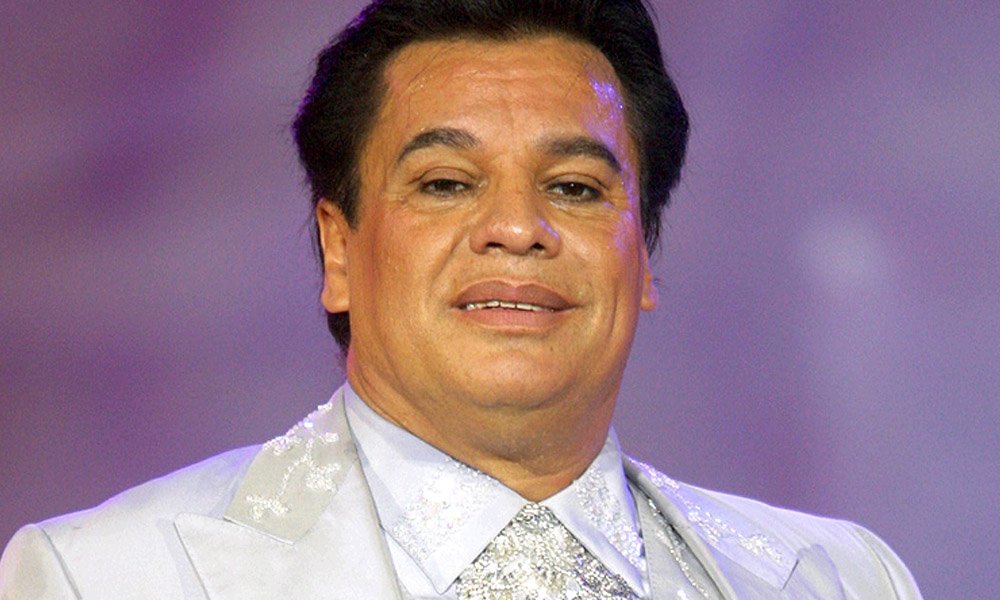
Flash forward to the echoes of Victoria’s life, and it’s like flipping through a scrapbook where her story peeks out from her son’s spotlight—subtle, poignant, and laced with that mythic quality of Mexican folklore. The big headline? Juan Gabriel’s iconic “Amor Eterno,” that tear-jerking Mother’s Day anthem from the 1980s, penned as a tribute to her after her death around 1974 in Parácuaro. Picture it: a song that swells with eternal love, performed at countless concerts, becoming a staple for dia de las madres celebrations—it’s her quiet immortality, reader, like how “Bohemian Rhapsody” immortalizes Freddie Mercury’s inner world, but softer, more heartfelt.
Gossip? Well, in the tabloid sense, Victoria’s era predates the paparazzi frenzy, so no scandalous whispers or viral feuds. Instead, stories swirl around her hardships—the move to Ciudad Juárez in the mid-20th century, the orphanage decision that shaped Juan Gabriel’s resilient spirit, painting her as a tragic heroine in biographies. Social media mentions are sparse, modern platforms buzzing more about her son: X posts and Instagram tributes on anniversaries, fans sharing “Amor Eterno” clips with captions like “dedicated to moms like Victoria,” turning her into a symbol of maternal sacrifice. No direct scandals, but the narrative often romanticizes her poverty, with tales of Parácuaro’s fields and Brígida’s influence adding layers.
One juicy tidbit: family trees online hint at that possible spouse, Leobardo, sparking armchair genealogists to speculate on hidden romances, though it’s all unconfirmed—like a plot twist in a mystery novel that never fully resolves. News articles from the 2010s onward, especially after Juan Gabriel’s 2016 passing, revisit her role, framing her as the emotional anchor in his rags-to-riches arc. Think biopics and documentaries nodding to her, with stories of her 1910s birth amid Mexico’s revolutionary chaos, her siblings’ brief lives, and how it all fueled her son’s flamboyant defiance. It’s not front-page drama, but the kind that lingers, inviting you to hum along to “Amor Eterno” and ponder the woman behind the melody.
FAQ
Who were Victoria Valadez Rojas’s parents and siblings?
Victoria was the daughter of Pablo Valadez (1889–1924) and Brígida Rojas (born 1889), with brothers Luis Valadez (born around 1920) and David Valadez (who died in infancy in 1924).
What is known about Victoria Valadez Rojas’s possible spouse?
An unconfirmed genealogical reference suggests Leobardo Ortiz Jiménez as a possible spouse, but no further details or verification exist.
Who was Victoria Valadez Rojas’s famous child, and how did she influence him?
Her son was Alberto Aguilera Valadez, known as Juan Gabriel, the legendary singer-songwriter; her hardships, including placing him in an orphanage, inspired his music and resilience.
What was Victoria Valadez Rojas’s occupation and net worth?
She worked as a campesina, or peasant woman, in rural Mexico and later Ciudad Juárez; no net worth data is available, reflecting her modest, undocumented life.
How is Victoria Valadez Rojas remembered in popular culture?
She is primarily remembered as the inspiration for Juan Gabriel’s song “Amor Eterno,” a Mother’s Day classic dedicated to her after her death around 1974.
Are there any news or social media mentions about Victoria Valadez Rojas?
Mentions are limited and tied to her son’s biography, with social media tributes focusing on “Amor Eterno” and her role in Juan Gabriel’s life story, but no independent gossip or stories surface.